Equipment comparison
Comparing Trane Heat Pump Families for Northeast Homes
Understand current Trane heat-pump naming, operating choices, and installation questions before selecting equipment for a local home.
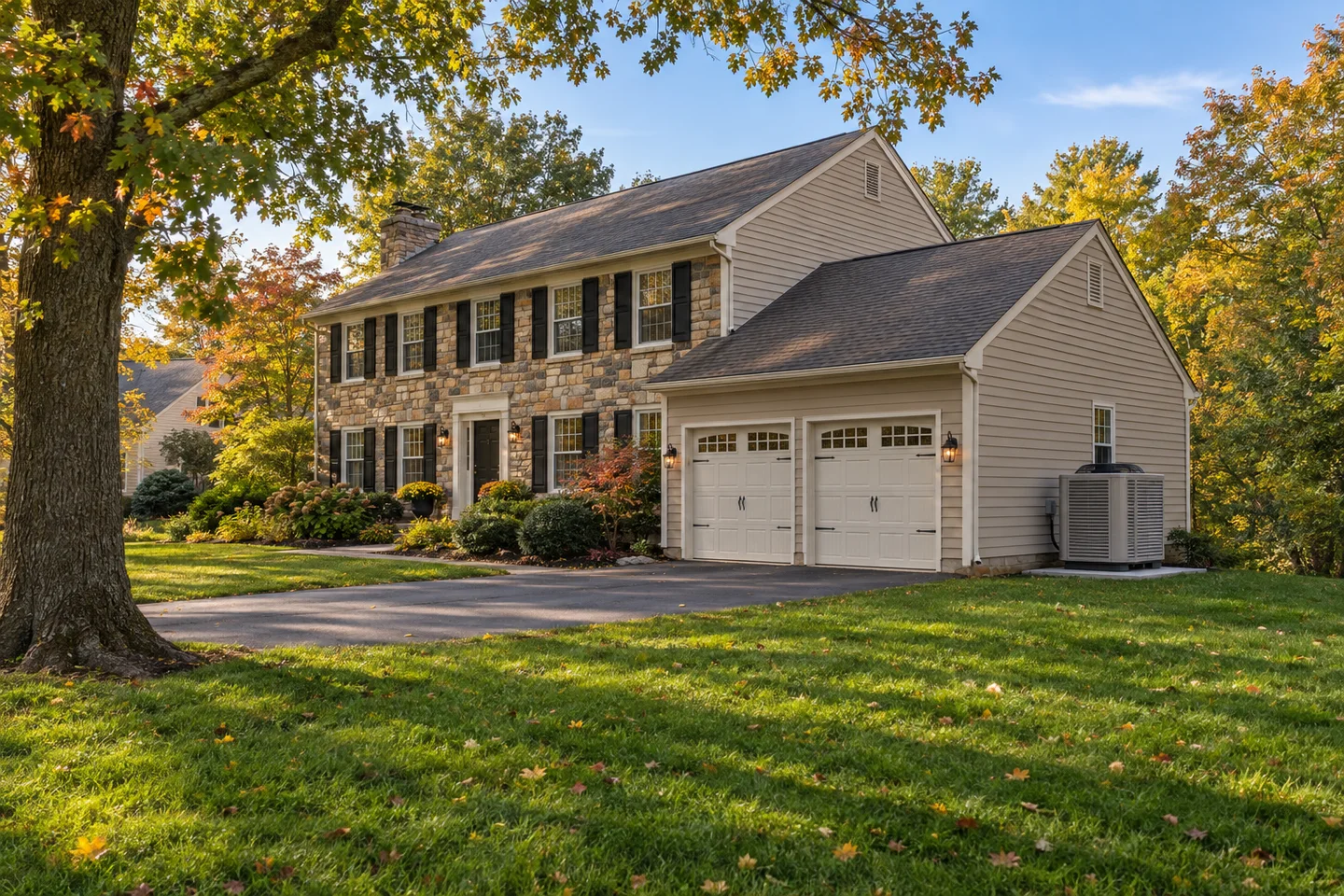
Trane's current catalog includes several heat-pump families with different modulation, cabinet, and cold-climate positioning. A useful comparison begins with the home's load and ductwork, then uses model features to narrow the field rather than treating a model name as a promise of fit.
Ask the right equipment questions
Model names can sound alike while serving different design needs. Bring your shortlist to Ronco Tech and we will connect the catalog language to your home's airflow, controls, clearances, and operating plan.
- Compare modulation and cabinet needs against the actual heat-loss calculation.
- Ask where WeatherGuard features matter for the outdoor installation location.
- Review controls and backup staging before choosing a family.
Named choices, not guesswork
The current catalog includes 20 TruComfort Variable Speed Heat Pump with WeatherGuard, 19 Multi-Speed Low Profile Cold Climate Heat Pump, and 18 TruComfort Variable Speed Heat Pump.
Cabinet fit matters
Low-profile construction, service clearance, line-set routing, and snow or drainage conditions can influence which outdoor unit works at a property.
Controls complete the system
Thermostat configuration and auxiliary-heat staging affect how the selected equipment responds across changing outdoor conditions.
Read the names as design clues
The 20 TruComfort Variable Speed Heat Pump with WeatherGuard signals two useful discussion points: variable-speed operation and added attention to outdoor exposure. The 18 TruComfort Variable Speed Heat Pump shares the variable-speed family concept without automatically implying identical cabinet or application details. The 19 Multi-Speed Low Profile Cold Climate Heat Pump points toward a different combination of motor behavior, cabinet profile, and cold-weather application.
Those labels are not substitutes for a load calculation or site inspection. A home's required capacity changes with insulation, windows, air leakage, additions, and design temperature. Existing ducts may limit airflow, while a narrow side yard may determine whether a particular cabinet can be serviced. Verify current availability and approved combinations during the proposal process.
Variable speed versus multi-speed
Variable-speed equipment can adjust compressor operation across a range, allowing the system to spend more time matching changing loads when the controls and installation support that behavior. Multi-speed equipment offers defined operating steps rather than the same continuous range. Neither label alone guarantees quieter operation, lower bills, or identical comfort in every home; duct design, sizing, commissioning, and control setup remain decisive.
Ask the installer to explain the expected stages, minimum operating conditions, thermostat compatibility, and what happens during defrost. The answer should include airflow measurements and startup verification, not just a brochure feature list. In a retrofit, the practical value of modulation can be lost if the duct system cannot move the required air quietly and safely.
WeatherGuard, clearance, and exposure
WeatherGuard is part of the name of the current 20 TruComfort model, but outdoor placement still requires careful planning. The unit needs manufacturer-specified clearances, stable support, unobstructed airflow, and a condensate path that will not create an icy walking surface. Roof runoff, drifting snow, landscaping, and nearby walls can all change the installation conversation.
A low-profile cabinet can help in a constrained location, but low profile does not mean zero-clearance. Service access, electrical disconnect placement, refrigerant piping, and sound considerations remain. Ronco Tech can document the proposed location and identify any site preparation before equipment is ordered, which reduces surprises at installation.
Match the family to the home
For a ducted home, the selection process ties the outdoor unit to the indoor coil, air handler, thermostat, and any auxiliary heat. For a home with hydronic distribution, the proposal must address how conditioned air will reach rooms; a conventional air-source heat pump is not an air-to-water boiler replacement by name alone. Ductless options may be more appropriate where no usable duct network exists.
A local assessment also considers electrical service, attic or basement access, line-set length, and maintenance space. Whether the property is in Philadelphia or a Bucks County neighborhood such as Richboro, equipment choice should follow the building rather than a preferred model list. Get the exact matched system, scope, and commissioning steps in writing.
Frequently asked questions
What does TruComfort mean in these model names?
It identifies a Trane product family associated with variable-speed heat-pump operation in the named models. The complete matched system and controls still determine how it applies to a home.
Is the 19 Multi-Speed Low Profile model the same as the 20 TruComfort WeatherGuard model?
No. They are distinct current catalog descriptions with different operating and cabinet terminology. A professional should compare application, capacity, clearances, and matched components.
Does WeatherGuard remove the need for placement planning?
No. Drainage, airflow, clearances, service access, and exposure still must meet manufacturer and code requirements.
Can these models replace a boiler directly?
Not directly. A boiler uses hydronic distribution; a conventional air-source heat pump needs ducted or ductless air delivery and a compatible indoor system.