Heating conversion guide
Moving from Oil Heat to an Electric Heat Pump
A practical guide to replacing an oil-fired appliance with a professionally designed electric heat-pump system in Bucks, Montgomery, and Philadelphia County.
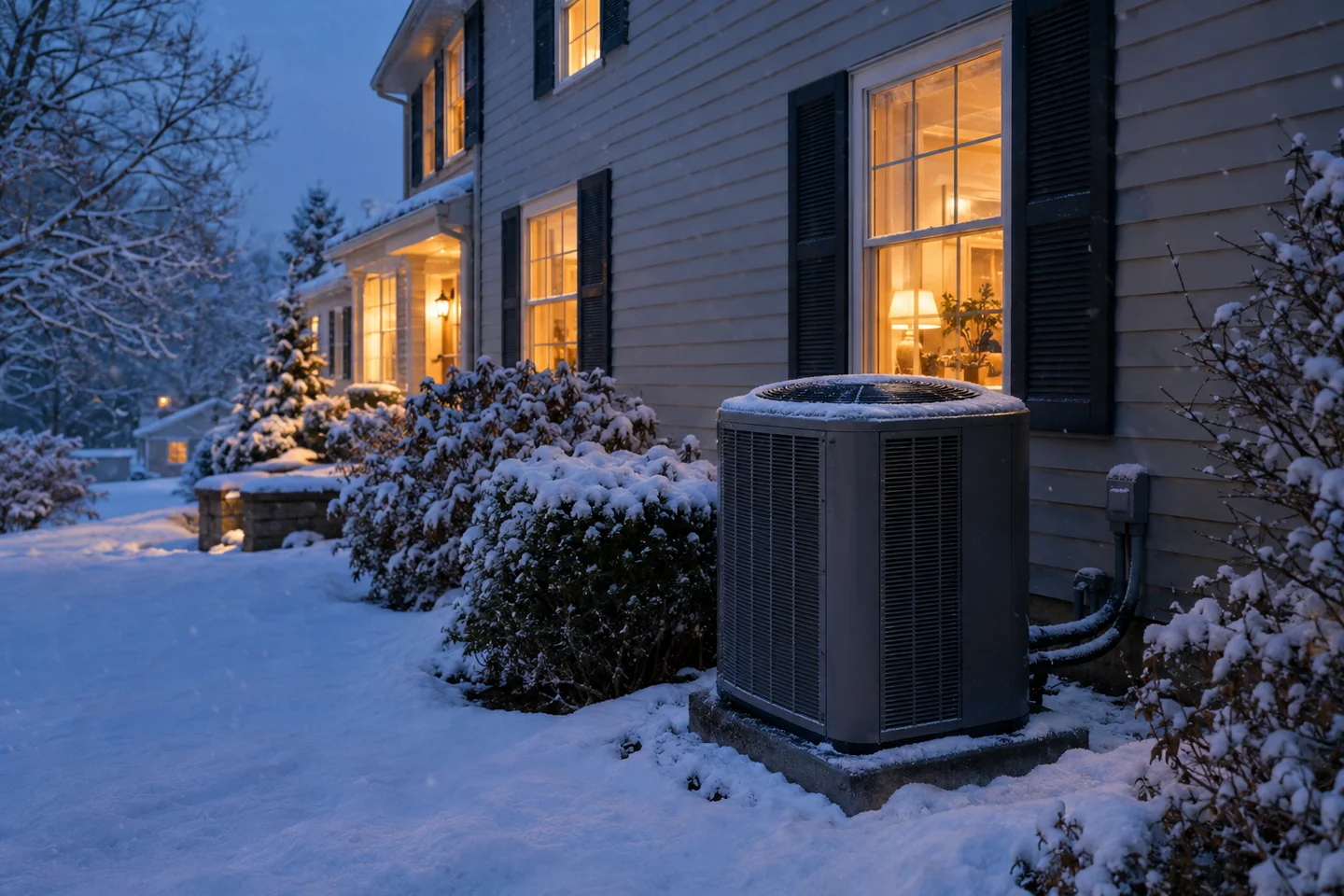
Changing an oil-heated home to an electric heat pump is a system-design project, not a simple equipment swap. Ronco Tech evaluates the building envelope, distribution system, electrical service, and any water-heating or backup appliances before proposing a path.
Plan the next stage of your heating system
Bring the questions you have been saving for the next service visit. We can map the old oil setup, the rooms it serves, and a practical electric alternative during one focused conversation.
- Trace heat delivery room by room instead of guessing from the old tank.
- Discuss cold-weather operation, backup strategy, and controls together.
- Leave with a written scope that separates required work from optional improvements.
Fewer oil deliveries
Full electrification eliminates heating-oil deliveries only when no oil appliance is retained onsite; other equipment may still need fuel.
Panel-first thinking
Available electrical capacity and the home's existing circuits belong in the design conversation before equipment is selected.
Comfort follows distribution
A heat pump can condition efficiently, but room-by-room delivery and airflow still determine how the home feels.
What the conversion actually changes
An oil furnace burns fuel to warm air, while an air-source heat pump transfers heat with a refrigerant circuit and uses electricity to operate its compressor and fans. In cooling mode, the same basic cycle moves indoor heat outside. This is fundamentally different from electric resistance heat, where energized elements make heat directly and typically need substantial electrical input. A proposal should explain which technology is being installed rather than treating every electric heater as a heat pump.
Removing an oil appliance can free floor area after a qualified professional has safely decommissioned and removed the tank and related equipment. That space is not automatically available on installation day: tank condition, location, access, residual oil, and local handling requirements affect the sequence. If an oil boiler also heats domestic water or another zone, those functions need an explicit replacement plan before the appliance is disconnected.
Panel capacity and winter operation
A service assessment reviews the main disconnect, panel spaces, feeder rating, grounding, existing loads, and the proposed heat-pump circuit. The result may be a straightforward circuit addition, load-management strategy, or service change coordinated with the utility and licensed trades. Do not assume a larger outdoor unit alone dictates the answer; auxiliary heat, electric water heating, cooking, and future plans can materially change the load picture.
Cold-weather design also deserves a written explanation. A properly selected system can operate through winter conditions, yet backup heat, defrost behavior, thermostat staging, and airflow settings remain design choices. Ronco Tech can compare a heat-pump-only approach with retained or newly specified backup equipment without promising a particular bill, temperature, or operating result.
Why an old boiler is not plug-and-play
A hydronic boiler sends hot water through radiators, baseboards, or radiant tubing; a ducted heat pump sends conditioned air through supply and return paths. Replacing one with the other may require duct design, registers, zoning decisions, and space for indoor equipment. Existing boiler piping cannot simply be treated as an air-distribution system, and an air-to-water heat pump is a different category from a conventional air-source heat pump.
Homes with a forced-air oil furnace may have a more direct equipment transition, but duct leakage, filter access, return sizing, and room balance still need inspection. Where ducts are absent or unsuitable, a ductless arrangement may be considered. The right answer depends on the floor plan and comfort goals, not on a one-size-fits-all conversion slogan.
Planning the handoff safely
A complete scope identifies equipment, electrical work, line-set routing, condensate management, controls, permits, startup, and removal responsibilities. It should also state what remains in service while work is underway. Qualified technicians handle refrigerant, electrical connections, combustion-equipment disconnection, and tank work; homeowners should not attempt those tasks.
Compare proposals by what they document: heat-loss assumptions, distribution changes, backup logic, commissioning checks, and maintenance access. Ask how existing fuel appliances will be handled if they remain. Across the service area, an onsite review is the useful starting point because construction details vary even between nearby homes.
Frequently asked questions
Does an electric heat pump require a gas connection?
No. A conventional air-source heat pump uses electricity and outdoor air. It does require suitable electrical service and a properly designed refrigerant and air-distribution system.
Will conversion remove every oil-related task?
Only if every oil appliance is removed and no oil equipment remains. A tank or oil-fired water heater retained for another purpose still requires appropriate service and management.
Can a hydronic boiler be replaced with one indoor unit?
Not automatically. The boiler's water distribution and the heat pump's air distribution are different, so ducts, ductless heads, or another distribution plan may be necessary.
Should I upgrade the electrical panel first?
Start with a load and equipment assessment. That determines whether panel work, a circuit addition, or another permitted solution is appropriate for the proposed system.