The cooling equipment library
Find the Right Air Conditioning Equipment for Your Home
Compare central air, staged and variable-speed systems, heat-pump cooling, indoor coils, and humidity solutions in this equipment guide.
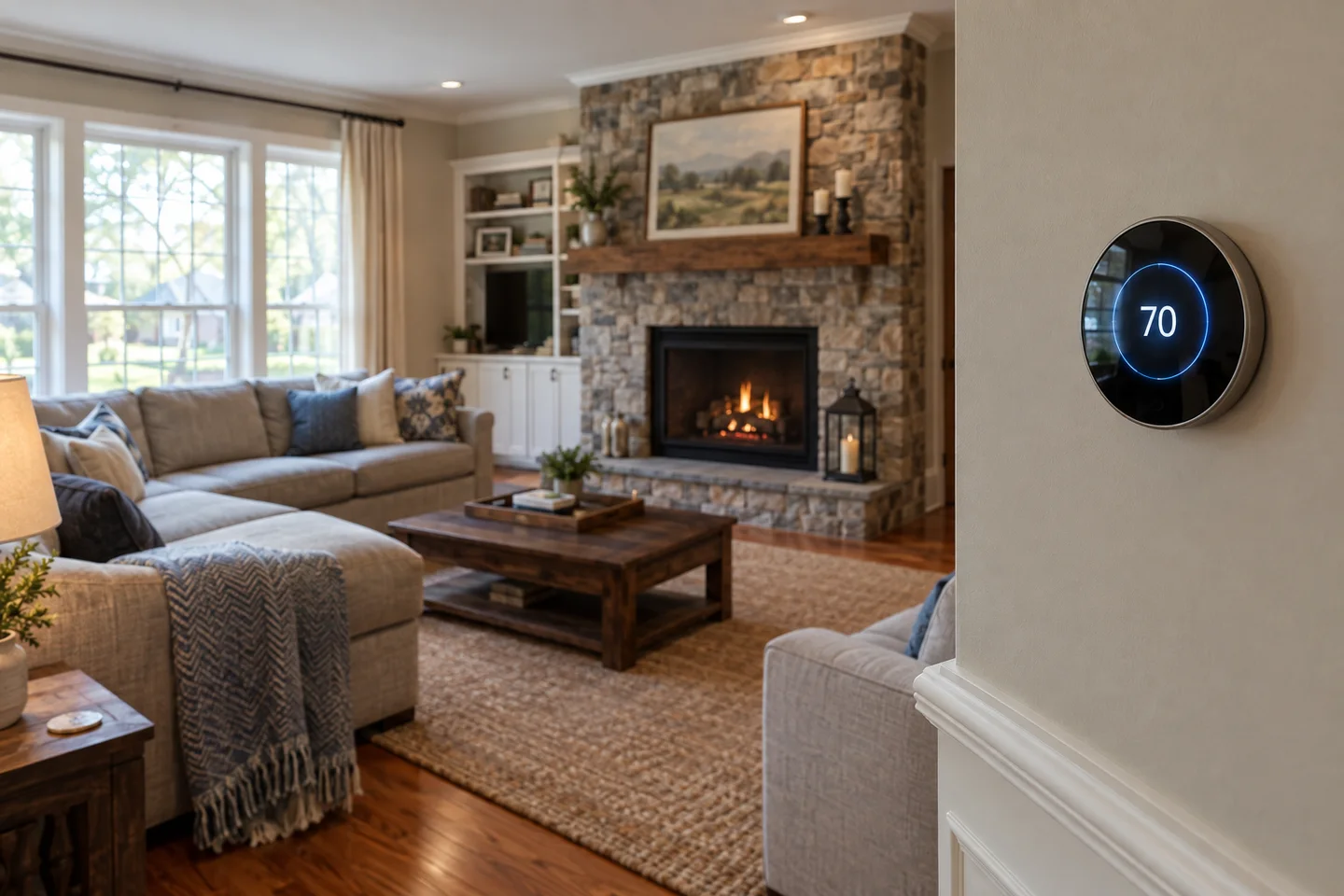
Shopping for air conditioning starts with a comfort problem, not a model number. Perhaps the upstairs feels warm, the house is cool but sticky, or an aging outdoor unit has become expensive to repair. Each concern points toward a different conversation. Ronco Tech helps homeowners across Bucks County, Montgomery County, Philadelphia, and our surrounding service area separate equipment choices from the building issues that also affect comfort. Use these guides to understand what the components do, where different compressor designs fit, and which questions belong in your installation proposal.
Compare cooling equipment by system needs.
Compare steady output, indoor airflow, moisture removal, and controls before choosing a replacement. The right design addresses how your household actually lives.
- Understand central AC and reversible heat-pump options.
- Compare single-stage, two-stage, and modulating designs.
- Look beyond the outdoor unit to ducts, coils, and controls.
Start with the system
An outdoor condenser, indoor coil, blower, controls, and ductwork must work together. A higher-priced outdoor unit cannot correct every indoor airflow problem.
Explore the compressor
Single-stage, two-stage, and variable-speed designs respond differently as demand changes. Compare installation requirements and comfort goals alongside purchase cost.
Keep heating in view
Replacing AC can be an opportunity to evaluate a heat pump that also heats. It is a heating-system design decision as well as a cooling purchase.
Choose a starting point that matches your question
If you are unsure how central air works, begin with the component guide. If you already have central AC and are comparing proposals, the compressor-stage and variable-speed guides explain why two quotes may specify different controls and indoor equipment. Homeowners evaluating a named product line can use the brand-specific comparison as a starting point, then request the exact model combination being proposed.
A household considering a move away from oil heat should read about heat-pump cooling before treating an AC replacement as a cooling-only project. One outdoor system may serve both seasons, but winter sizing, backup arrangements, electrical capacity, and the existing heat distribution still need their own assessment.
Look at the room problem before approving equipment
A sunny room, closed bedroom door, restrictive filter, leaky return, or undersized supply path can change the way a house feels. Record when discomfort occurs and which rooms are affected. That information is more useful to a designer than a request to install the largest available air conditioner.
If temperature is acceptable but the house feels damp, read the humidity guide. Longer operating cycles can help moisture removal under suitable conditions, but uncontrolled outdoor-air leakage, drainage problems, and indoor moisture sources may need separate attention. Air conditioning is not a substitute for finding a leak or correcting water intrusion.
Compare complete proposals, not isolated ratings
Ask for the outdoor and indoor model numbers, the matched-system efficiency information, required electrical work, controls, and any duct changes. A seasonal efficiency rating provides a standardized comparison; it does not calculate your future bill. House condition, electricity rates, weather, operating schedules, and installation quality all influence actual use.
Review commissioning and maintenance access as part of the scope. The indoor coil must drain reliably, the blower must deliver suitable airflow, and the equipment needs room for servicing. A clear written scope makes it easier to distinguish a necessary installation item from an optional comfort upgrade.
Frequently asked questions
Which cooling guide should I read before requesting estimates?
Start with central air conditioners to understand the components, then compare compressor types and sizing. Bring questions about your specific rooms and current equipment to the consultation.
Can the cooling library help me compare branded proposals?
Yes. It explains equipment categories alongside staging, indoor equipment, and control requirements. Your final comparison should use the exact models and matched-system documentation in each quote.
Where should I look if my AC cools but leaves the house damp?
The humidity and comfort guide covers moisture load, airflow, operating patterns, and situations that may call for a separate dehumidification assessment.
Does choosing a heat pump mean giving up summer air conditioning?
No. An air-source heat pump provides cooling by moving indoor heat outdoors. Heating capability is the additional feature, and its winter design needs separate evaluation.